Skip to content

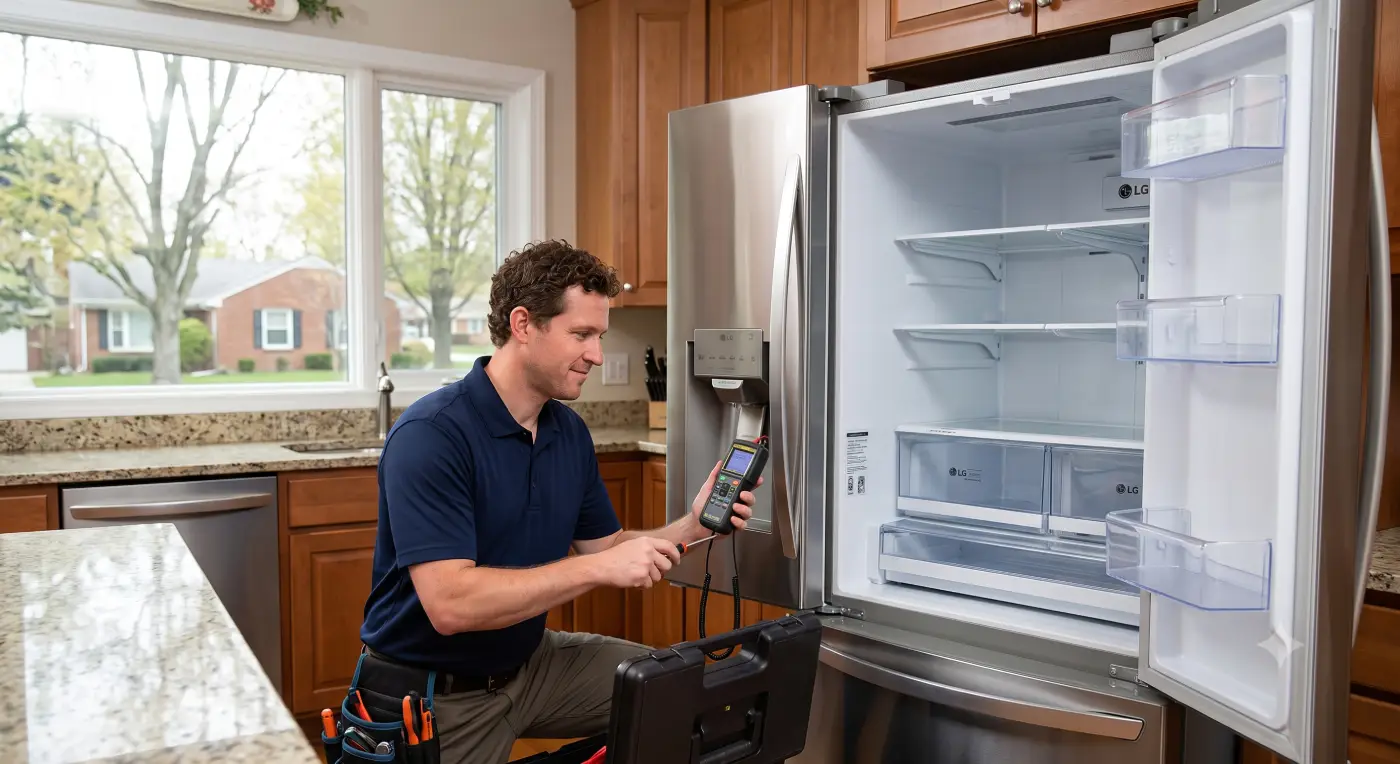
LG refrigerators are known for their linear compressor technology, spacious layouts, and smart features, making them a popular choice in Indianapolis kitchens. But when something goes wrong, LG’s unique compressor design and electronic controls can make troubleshooting feel more complicated than older refrigerator models.
This guide breaks down eight of the most common problems LG refrigerator owners experience, what’s likely causing them, and when it makes sense to call for LG refrigerator repair in Indianapolis.
Quick Answer
Common LG refrigerator problems include failure to cool, linear compressor issues, ice maker malfunctions, water dispenser failures, unusual noises, and error codes on the display panel. Many of these issues relate to airflow blockages, sensor failures, or wear in the compressor system. Diagnosing the exact cause typically requires checking specific components rather than assuming a single fix applies.
Why Is My LG Refrigerator Not Cooling Properly?
An LG refrigerator that isn’t cooling is often related to a failing evaporator fan, a blocked air vent, or a linear compressor that isn’t cycling correctly.
LG’s linear compressor operates differently than traditional reciprocating compressors, running more continuously at variable speeds. When cooling drops off, common causes include:
- A frozen evaporator coil restricting airflow, usually tied to a defrost system fault
- A failing evaporator fan motor that isn’t circulating cold air
- Compressor issues, including start relay or control board failures
- Blocked vents inside the fridge from overstuffed shelves
What Causes LG Linear Compressor Problems?
LG’s linear compressor is designed to be quieter and more energy-efficient than standard compressors, but it can develop issues related to the control board, start components, or internal wear over time.
Signs of a compressor-related problem include:
- The refrigerator running constantly without reaching the set temperature
- A humming noise followed by the compressor shutting off repeatedly
- No cooling at all despite the refrigerator appearing to power on normally
Compressor diagnosis typically requires specialized testing equipment, so this is not something to attempt without proper training.
Why Is My LG Ice Maker Not Working?
LG ice makers commonly stop producing ice due to a frozen water line, a faulty water inlet valve, or an ice maker module that has failed electronically.
Common causes include:
- Ice buildup blocking the auger or ice maker arm
- A kinked or frozen water supply line
- A clogged water filter reducing flow to the ice maker
- A failed ice maker control module
Why Is My LG Water Dispenser Not Working?
A non-functioning water dispenser is frequently linked to a clogged water filter, a frozen line inside the door, or a faulty dispenser switch.
If water flow has slowed gradually before stopping, a clogged filter is the likely cause. If the dispenser stopped suddenly, a frozen line or door switch failure is more likely.
Why Is My LG Refrigerator Making Noise?
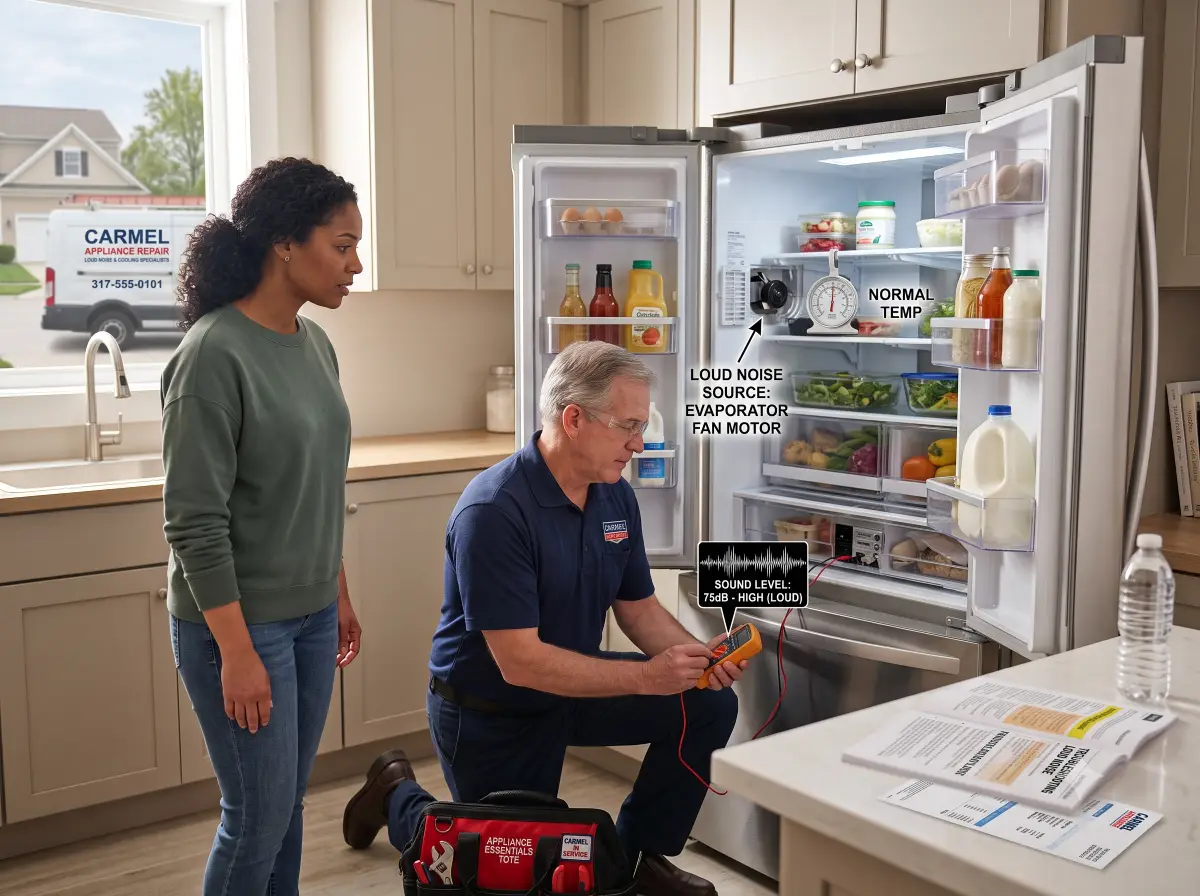
Unusual noises from an LG refrigerator, such as clicking, buzzing, or rattling, typically point to a fan motor issue, ice buildup on internal components, or a compressor that’s struggling to start.
- Clicking — often a failing start relay or compressor attempting to cycle on
- Buzzing — commonly the compressor or condenser fan running under strain
- Rattling — loose panels, or ice buildup interfering with a fan blade
What Do LG Refrigerator Error Codes Mean?
LG refrigerators display specific error codes on the control panel to point technicians toward the affected system, such as sensor failures, communication errors between components, or defrost system faults.
Because LG error codes vary by model and refrigerator series, it’s best to note the exact code displayed and reference it during a service call rather than assuming what it means without model-specific information.
What Can You Safely Check at Home?
Before calling for LG refrigerator repair, homeowners can safely check the following:
- Confirm the water filter has been replaced within the manufacturer’s recommended timeframe
- Check that shelves and bins aren’t blocking internal air vents
- Inspect the door gasket for gaps or debris preventing a tight seal
- Note any error codes displayed on the control panel
- Confirm the refrigerator has adequate clearance around the back and sides for airflow
Safety warning: Do not attempt to access the sealed refrigerant system, replace the compressor, or disassemble electrical control components. These repairs require specialized tools, refrigerant handling certification, and training.
When Should You Call a Professional Appliance Repair Technician?
Contact a professional for LG refrigerator repair in Indianapolis if:
- The refrigerator isn’t cooling despite clear vents and a clean door seal
- You hear repeated clicking without the compressor starting
- An error code persists after checking the manual for basic troubleshooting steps
- Water is leaking from the dispenser, ice maker, or underneath the unit
- The refrigerator runs constantly without ever reaching temperature
How Long Do LG Refrigerators Typically Last?
LG refrigerators are generally designed to last a decade or longer with proper maintenance, though compressor and sealed system issues can sometimes require professional attention earlier depending on the model and usage. Keeping vents clear and staying current on water filter changes supports more consistent performance over the appliance’s lifespan.
Frequently Asked Questions
This usually indicates an airflow blockage between the freezer and fresh food compartments, often from a frozen evaporator coil or a failing fan motor that isn’t circulating cold air properly.
Most manufacturers recommend replacing the water filter roughly every six months, though households with heavy water and ice usage may need to replace it more often.
A low, steady hum from the compressor or fans is normal. A loud or irregular hum, especially paired with poor cooling, may indicate a struggling compressor or fan motor.
Some error codes clear after unplugging the unit for several minutes. If the code returns, the underlying sensor or component issue hasn’t been resolved and needs professional diagnosis.
Frost buildup often points to a door seal that isn’t closing properly or a defrost system malfunction that’s preventing normal ice melt cycles.
Yes, LG refrigerators often use brand-specific and even model-specific components, particularly for the linear compressor and control boards, so repairs typically require genuine or compatible LG parts.
Conclusion
LG refrigerators offer efficient cooling and useful features, but their linear compressor technology and electronic controls mean problems often require targeted diagnosis rather than guesswork. Cooling loss, ice maker failures, unusual noises, and error codes are among the most common issues Indianapolis homeowners report.
If your LG refrigerator isn’t performing the way it should, AP1 Appliance Repair offers LG refrigerator repair throughout Indianapolis and the surrounding areas. Reach out to schedule a diagnostic visit and get accurate answers about what’s going on with your fridge.