Skip to content

GE is one of the most widely owned appliance brands in Indianapolis homes, spanning refrigerators, ranges, dishwashers, washers, and dryers. Because GE makes such a broad range of products, the issues homeowners run into vary quite a bit depending on the appliance. Understanding what’s normal wear versus what signals a real problem can save you time and help you decide when it’s worth calling for GE appliance repair in Indianapolis.
This article covers the most frequent GE appliance issues across the kitchen and laundry room, what typically causes them, and simple checks you can do before scheduling a repair visit.
Quick Answer
Common GE appliance problems include refrigerators that stop cooling, ovens that heat unevenly, dishwashers that leave dishes dirty, washers that won’t spin, and dryers that run without producing heat. Most of these issues stem from clogged filters, worn heating elements, failing sensors, or blocked airflow. Simple maintenance resolves some cases, while others require a technician’s diagnostic tools.
Why Is My GE Refrigerator Not Cooling Properly?
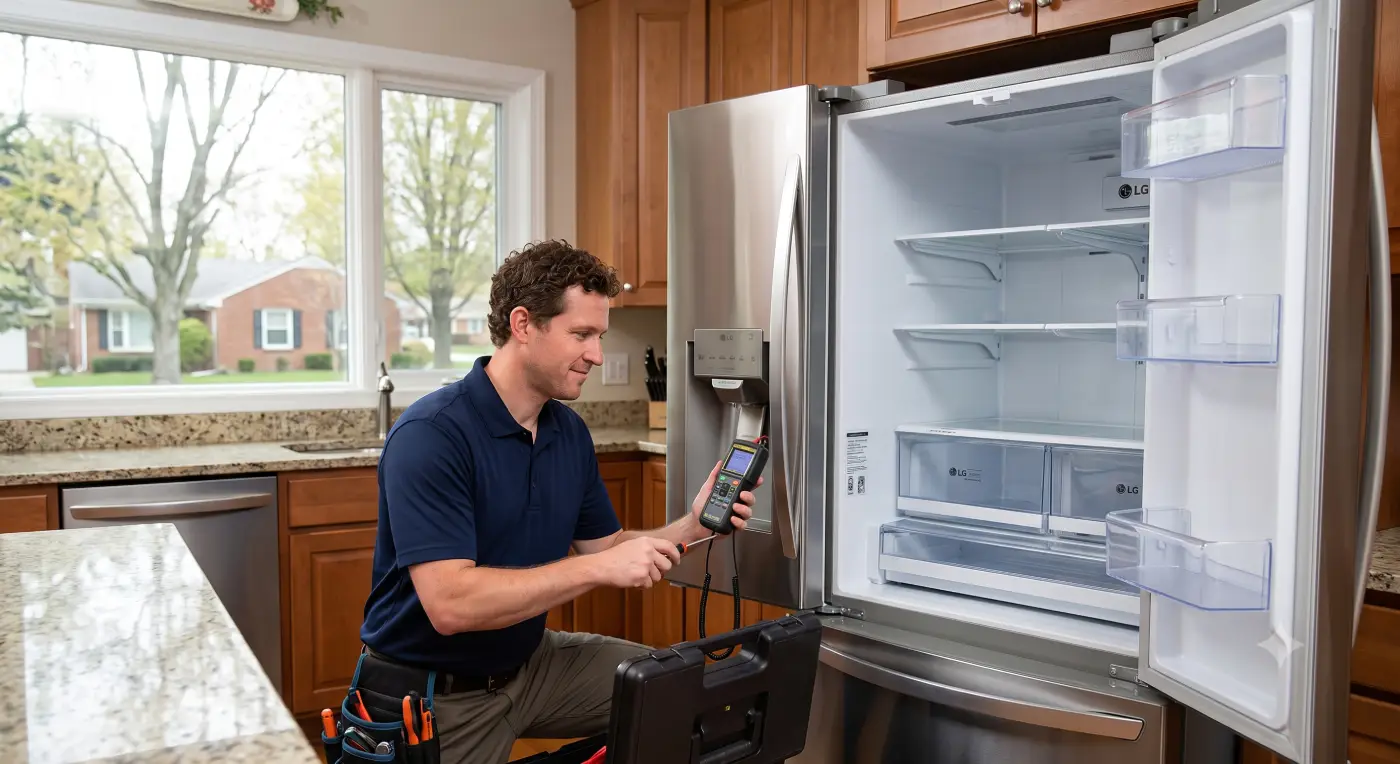
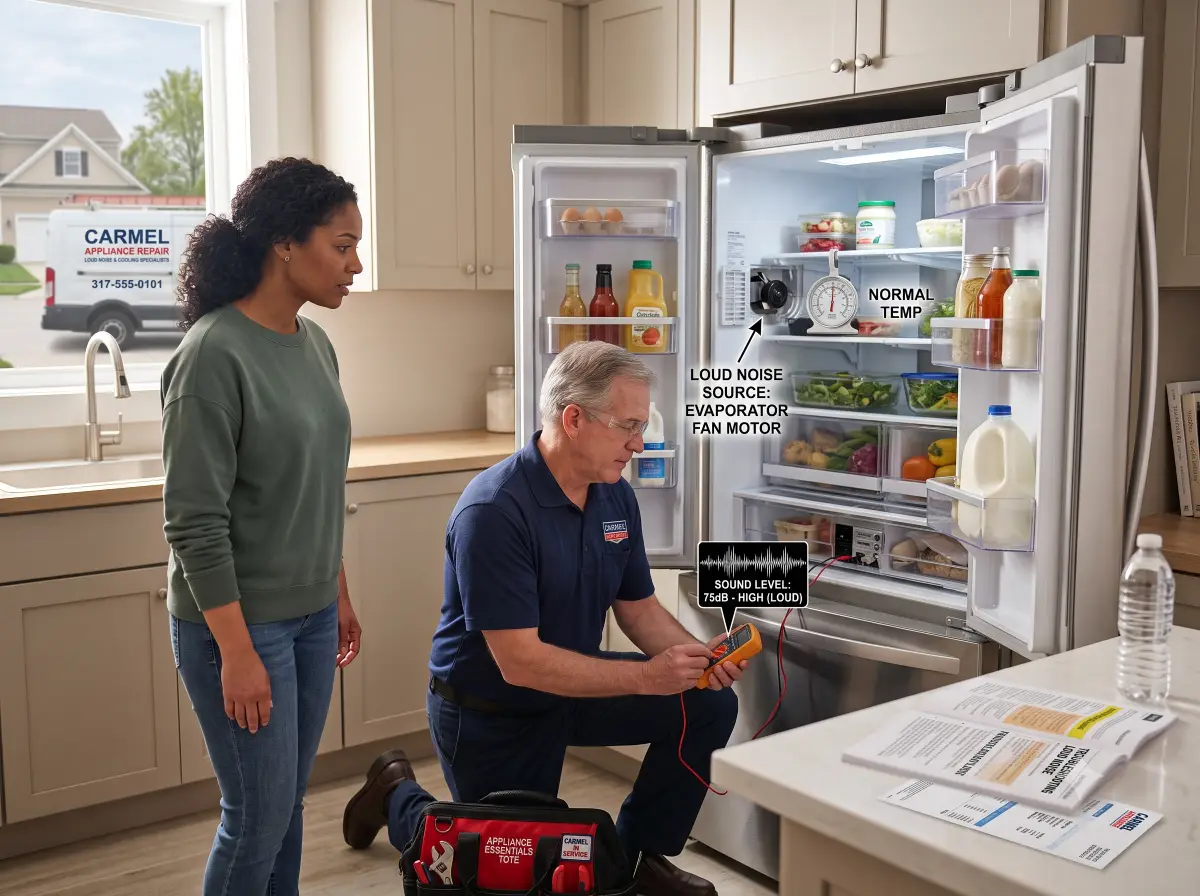
A GE refrigerator that isn’t cooling is often dealing with dirty condenser coils, a failing evaporator fan, or a blocked air vent rather than a dead compressor.
Look out for these common culprits:
- Dust and pet hair coating the condenser coils, usually located behind or underneath the unit
- A frozen evaporator coil caused by a defrost system malfunction
- Food items blocking the internal air vents between the freezer and refrigerator compartments
- A worn door gasket that no longer seals tightly
If the freezer stays cold but the refrigerator section warms up, the issue is frequently related to airflow rather than the cooling system as a whole.
Why Does My GE Dishwasher Leave Dishes Dirty?
GE dishwashers that leave food residue on dishes are typically dealing with clogged spray arms, a dirty filter, or water temperature that’s too low to break down grease and food particles.
Common causes include:
- A clogged filter at the bottom of the tub trapping food debris
- Spray arm holes blocked by mineral buildup or food particles
- Overloading the dishwasher, which blocks water spray patterns
- Using the wrong detergent type or an expired detergent pod
- Incoming water temperature that’s too cool to activate detergent properly
What Causes GE Washer and Dryer Problems?
GE washers commonly develop spinning or draining issues related to worn drive belts, unbalanced loads, or clogged drain pumps, while GE dryers frequently lose heating function due to a blown thermal fuse or blocked vent.
For washers, watch for:
- Loud thumping during the spin cycle, often from an unbalanced load or worn suspension
- Washer stopping mid-cycle, which can indicate a lid switch or door lock issue
- Water not draining fully, often from a clogged pump or kinked hose
For dryers, watch for:
- Clothes coming out damp after a full cycle
- No heat at all, even though the drum still tumbles
- A burning smell, which should be treated as a warning sign to stop use immediately
Why Is My GE Oven Not Heating Evenly?
Uneven heating in a GE oven is commonly caused by a failing bake element, a miscalibrated temperature sensor, or a faulty igniter on gas models.
If baked goods consistently turn out unevenly cooked, the temperature sensor may be sending inaccurate readings to the control board, or the bake element may be heating inconsistently. On gas ranges, a weak or failing igniter can cause slow preheating and uneven oven temperatures.
What Can You Safely Check at Home?
Before scheduling GE appliance repair, these checks are safe for most Indianapolis homeowners to try:
- Clean the dishwasher filter and spray arm holes with warm water
- Vacuum dust from the refrigerator’s condenser coils
- Check that the dryer vent isn’t crushed or clogged with lint
- Confirm the washer is sitting level and loads are evenly distributed
- Test oven temperature accuracy with a separate oven thermometer
Safety warning: Never attempt to replace an oven igniter, access sealed refrigerant lines, or work on gas connections yourself. These repairs require specialized tools and training and should be handled by a licensed technician.
When Should You Call a Professional Appliance Repair Technician?
It’s time to call a professional GE appliance repair technician in Indianapolis if:
- The refrigerator hasn’t cooled properly for more than a day
- The washer or dryer makes loud grinding or squealing noises
- The oven consistently over- or under-cooks food despite calibration checks
- You notice burning smells from any appliance
- Water is pooling under or around any appliance
Do GE Appliances Need Regular Maintenance?
Yes. Like all major appliances, GE refrigerators, dishwashers, washers, and dryers benefit from routine upkeep such as coil cleaning, filter maintenance, and vent inspection. Consistent maintenance helps prevent many of the common issues covered above and can extend the useful life of the appliance.
Frequently Asked Questions
A buzzing sound often comes from the compressor starting up or the condenser fan running, which is generally normal. A loud or constant buzz paired with poor cooling can indicate a failing fan motor or compressor issue.
If the dryer tumbles and runs a full cycle but clothes come out cold and damp, the heating element has likely failed. A licensed technician can test the element’s electrical continuity to confirm.
Extended cycle times can result from a sensor detecting dirtier-than-normal dishes and adding extra wash time, or from a heating element that’s struggling to reach the target water temperature.
Yes. Mineral deposits from hard water can build up in dishwasher spray arms, washer valves, and refrigerator water lines over time, reducing efficiency and eventually causing component failures.
This is commonly caused by a failing temperature sensor or thermostat, which sends inaccurate readings to the oven’s control board, causing it to overheat or underheat during cooking.
It depends on the age of the unit, the cost of the repair, and the appliance’s overall condition. A technician can help you weigh repair costs against the appliance’s remaining lifespan during a diagnostic visit.
Conclusion
GE appliances cover nearly every room in the house, and the problems they develop tend to be specific to each appliance type — from cooling loss in refrigerators to uneven heat in ovens and drainage trouble in dishwashers. Recognizing these patterns early can help you catch small issues before they become bigger repairs.
If you’re dealing with a GE appliance that isn’t performing the way it should, AP1 Appliance Repair provides GE appliance repair throughout Indianapolis and the surrounding communities. Contact us to get a trained technician out to diagnose the problem and get things running smoothly again.